CHUCK’s STORY
Born in Brooklyn in 1945, Chuck Rubin spent his early life studying theater. He attended Florida State University acting and working whatever jobs kept him afloat. In the late 70’s a casting ad brought him to Louisville to work with Kentucky Shakespeare. It’s here that photography entered his life almost by accident. In the early 1970s, Rubin found a large-format camera at a DAV thrift store while looking for stage props. It was a Seneca 4x5, all wood, brass, leather and it flipped a switch. That moment stuck. What started as curiosity would soon turn into collecting, and collecting slowly turned into a way of life.
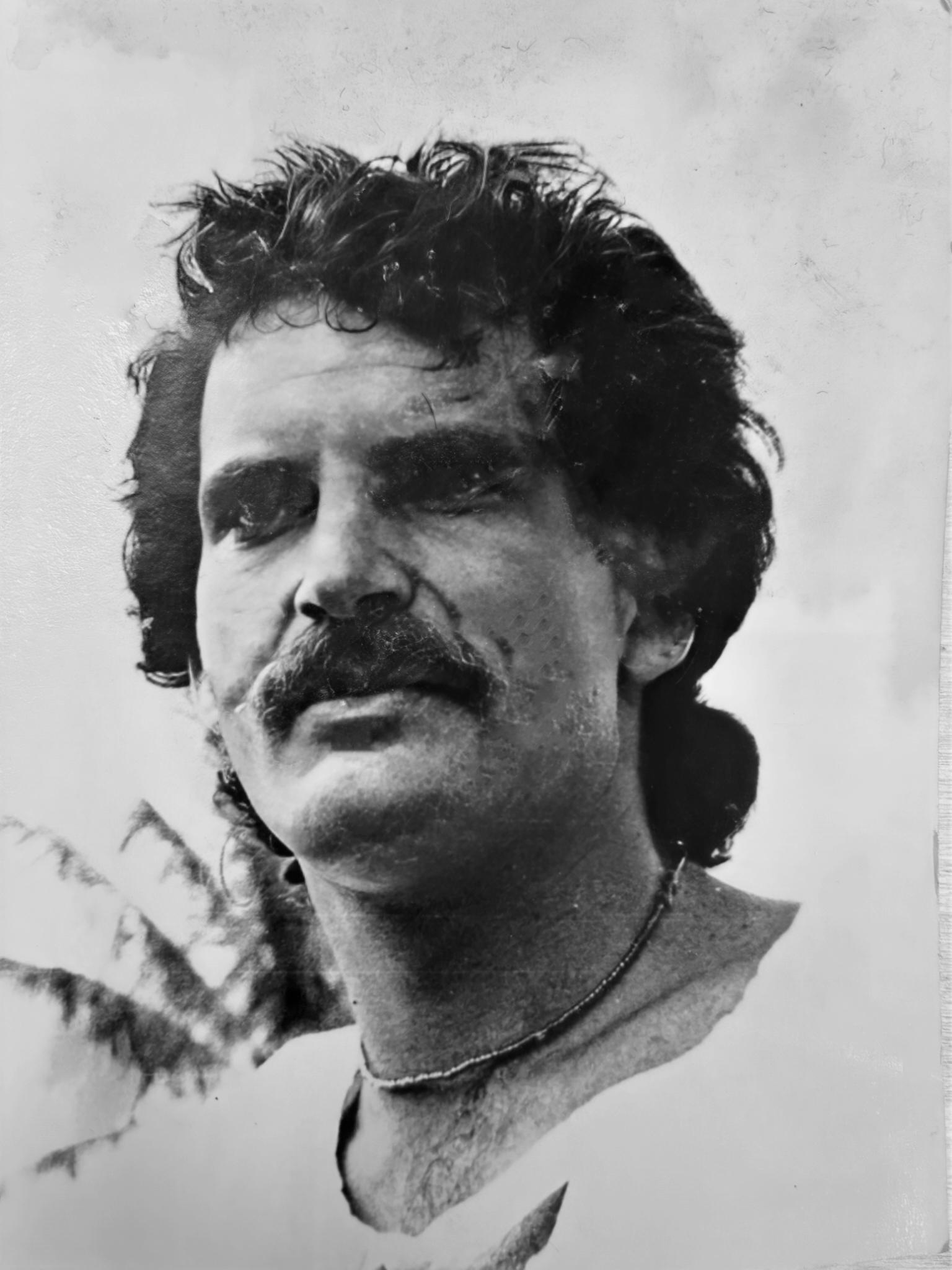
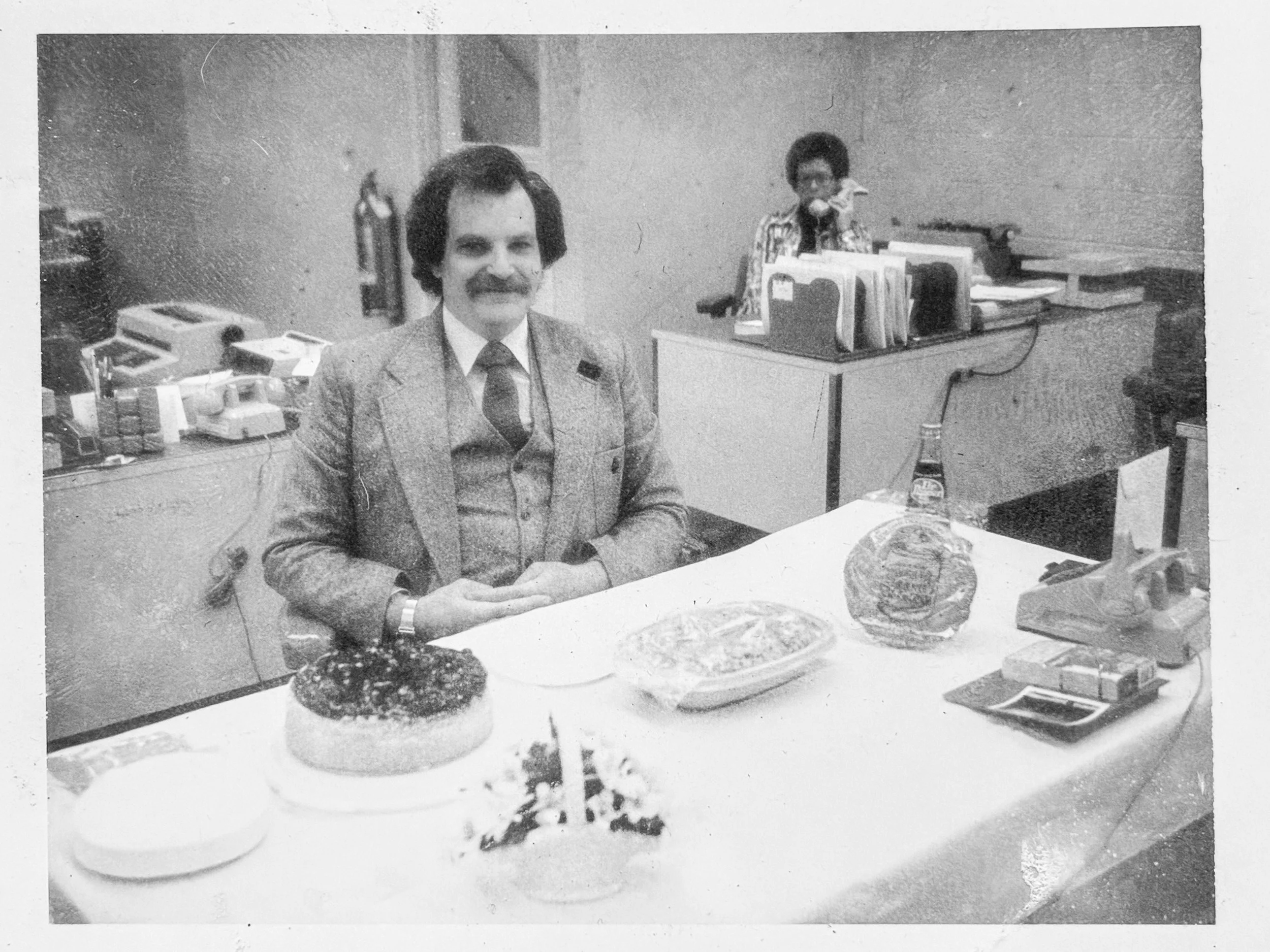
After “pretending to be a insurance salesman”, Chuck opened his shop with eight cameras on a shelf and one customer on the first day. Over time, the store filled with cameras, hundreds of them, stacked in boxes, shelved, and scattered in a way that only made sense to Chuck… or if you spent enough time there. The space became known for its dust, handwritten notes, and its unpredictability. Chuck himself sat at the center of it, usually in his worn yellow chair, talking with customers, arguing about prices, and often lowering them rather than raising them. He believed it was his job to know what something was worth so the customer didn’t have to.
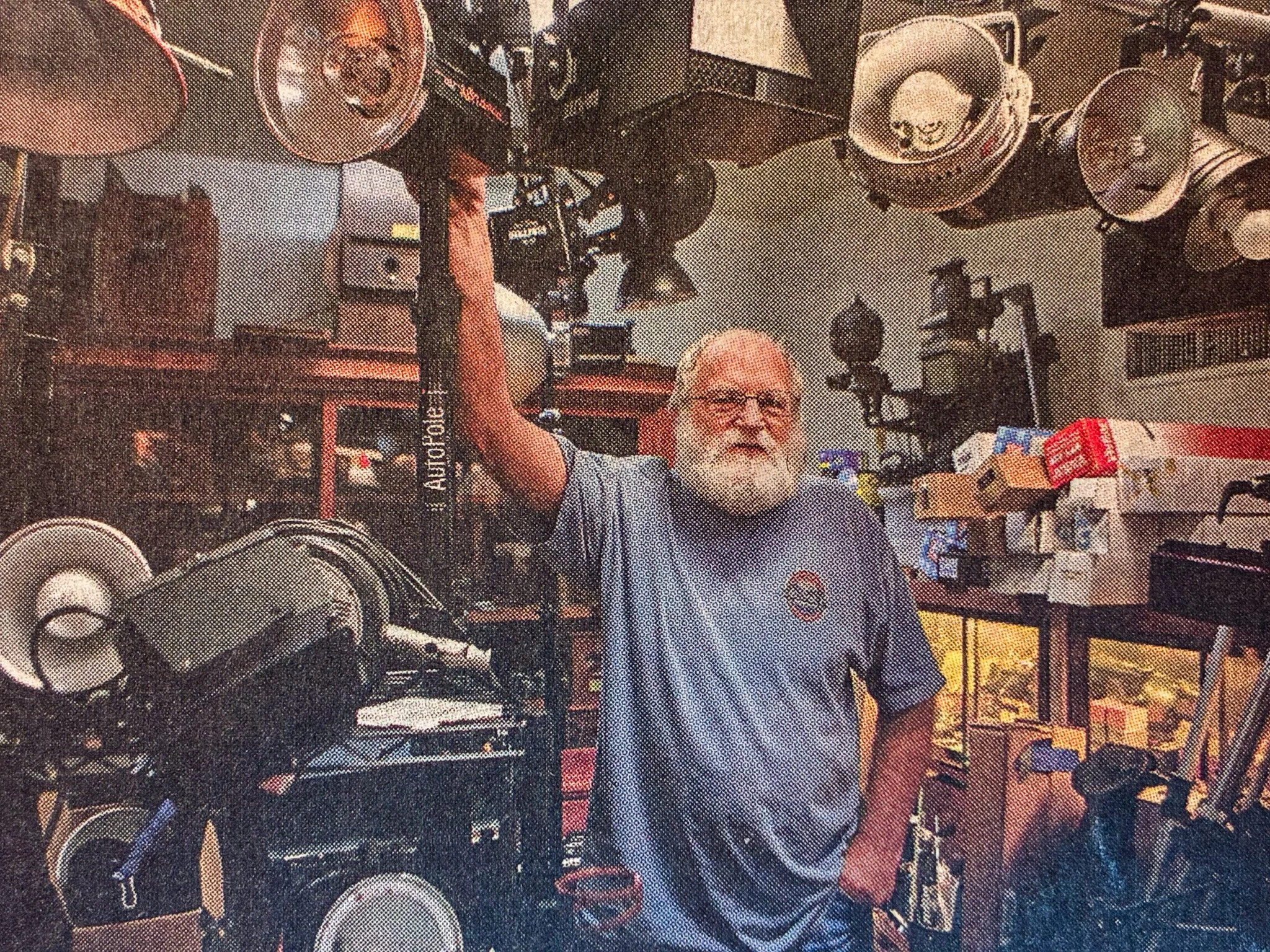
When digital photography took over, shops like Chuck’s weren’t expected to last. The industry shifted fast, and much of his inventory became obsolete. Chuck didn’t chase the change and stuck with film. The business slowed but never disappeared, sustained by a loyal community and online sales, until film eventually found its way back to a new generation. Covid 19 caused Chuck to leave the place he’d been in for nearly 30 years, pivoting to a smaller space on Frankfort Ave.
Alex’S STORY
My path into photography wasn’t all that different in spirit. I got hooked early, after my dad brought home a camera when I was a kid. I spent years sneaking it out, trying to understand how it worked, and eventually learning to see the world through it. I enrolled in the photography program at the University of Louisville and took a job in the lab at Murphy’s Camera. Photography stayed with me even as my life moved in other directions.
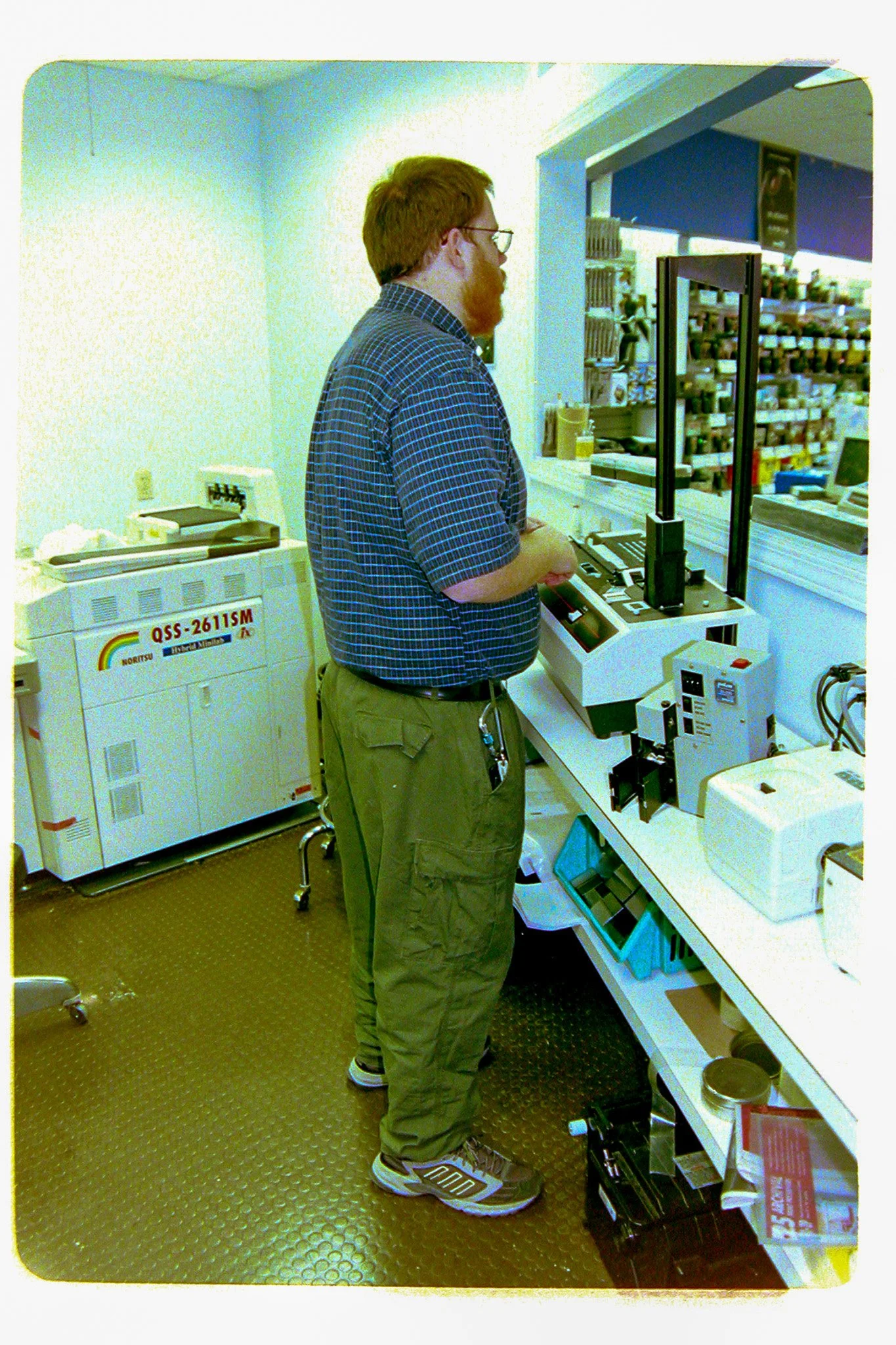
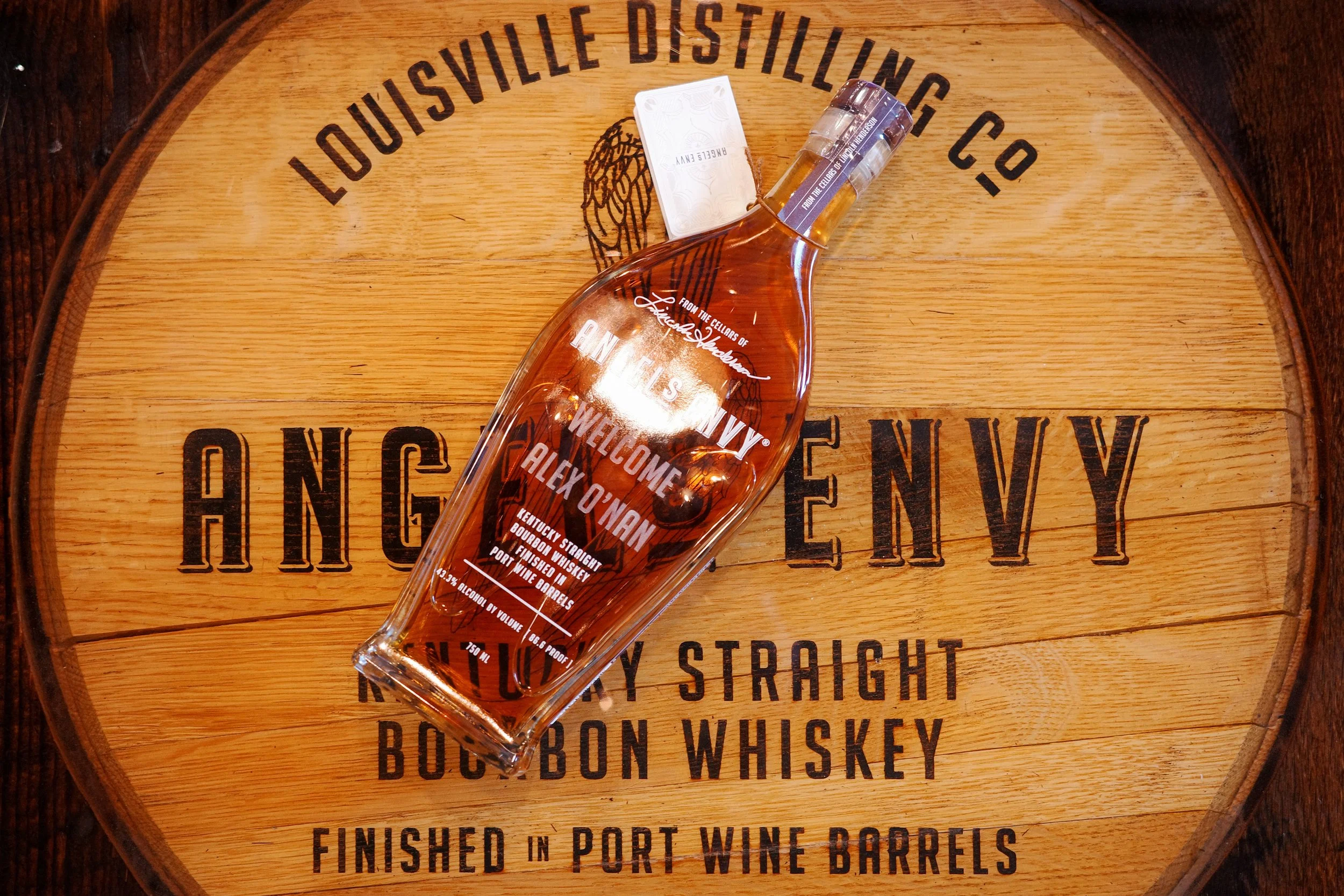
Covid 19 also caused me to leaving the place I’d been for almost 20 years. I returned to college to finish my degree and took an internship at Angel’s Envy Distillery. Through all of it, I kept coming back to Chuck’s shop. Like a lot of people, I didn’t just go for the cameras. I went because it felt like something real and something that hadn’t been flattened or polished into a typical retail experience.
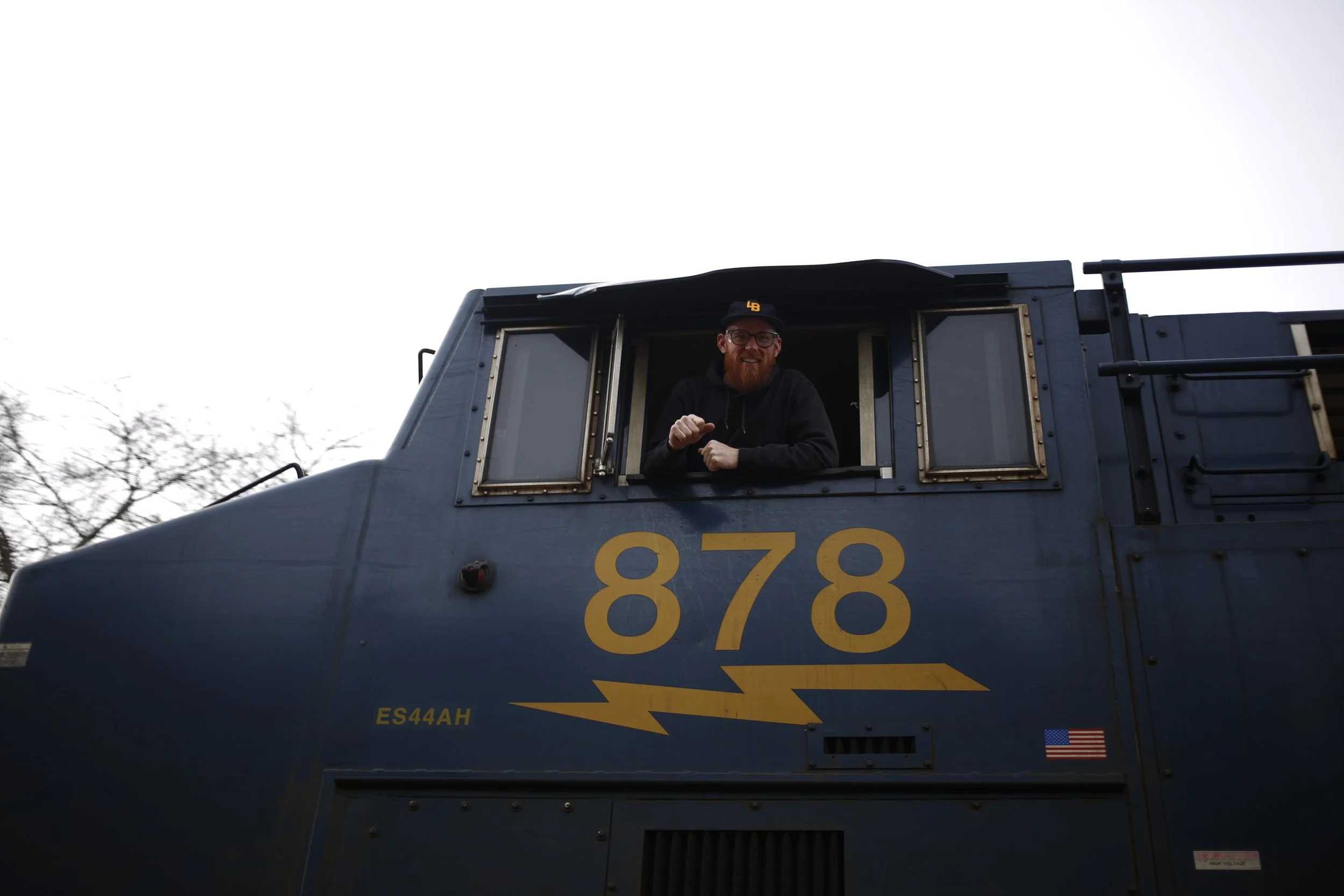
Photography stayed with me even as my life moved in other directions. I worked a long stretch as a train conductor, traveling constantly, carrying a camera with me whenever I could. Making photographs wasn’t part of the job, but it became a way to make sense of the movement, the repetition, and the spaces in between.
After my internship ended I was at a crossroads. I just so happened to be visiting Chuck in the shop on his 80th birthday. I asked him if he was going to retire and he said something silly about selling the shop. It started a conversation that ended with me taking over. For me, it wasn’t about starting a business from scratch. It was about continuing something that already mattered. Chuck had spent more than three decades building not just an inventory, but a culture. Taking that on wasn’t something to reinvent, it was something to carry forward carefully.
ABANDONED CAMERAS’ STORY
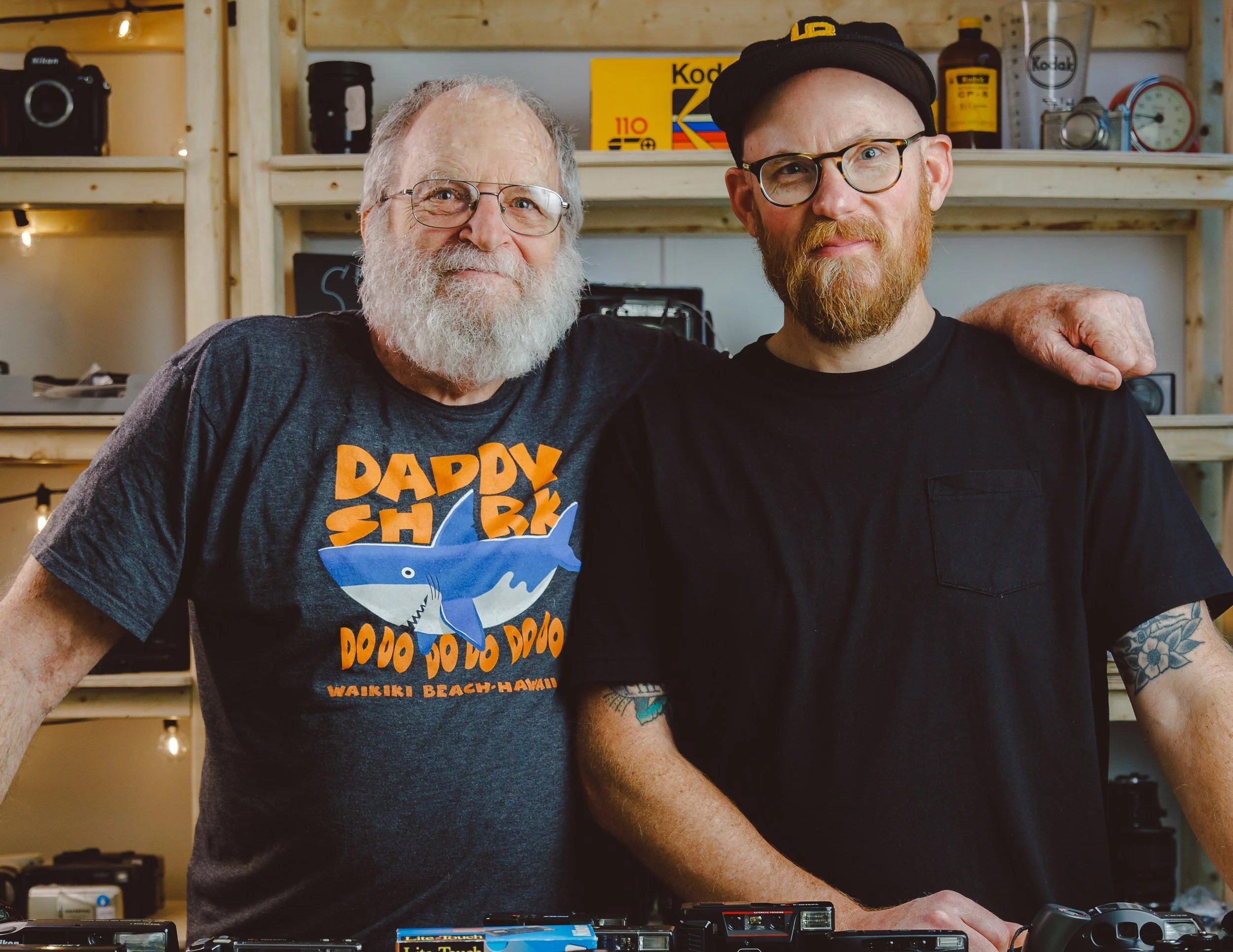
On August 1 of 2025 Chuck Rubin Photographics became Abandoned Cameras. The name changed, the space got cleaned up, but the core idea stayed the same, to provide a place centered around photography, a place where people can come in without knowing exactly what they need, and still a place where conversation is part of the process.